
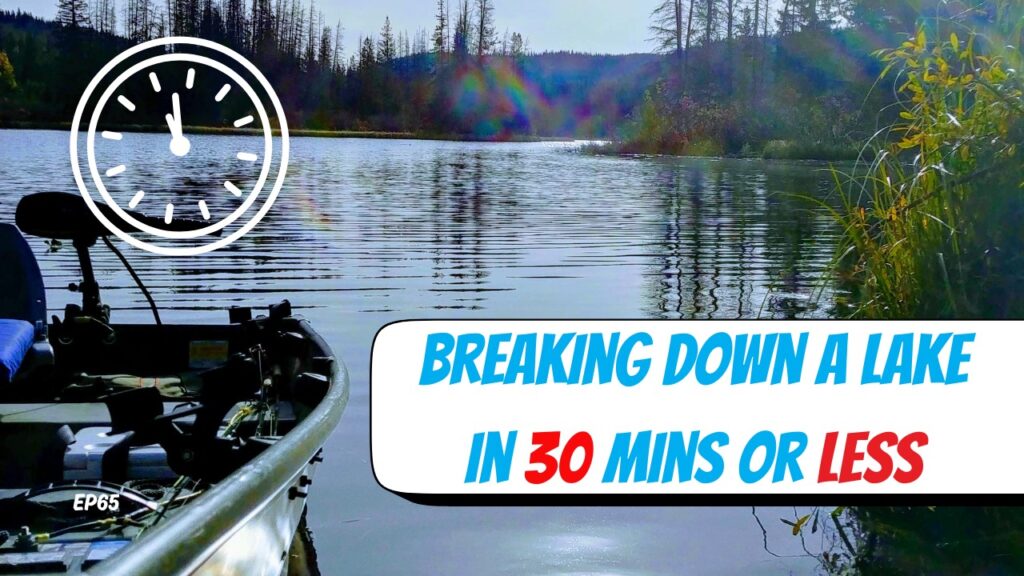
The 30-Minute Lake Breakdown Plan
Showing up to a new lake can feel overwhelming. You stare at miles of open water and wonder where to even start. The truth is, those first thirty minutes often determine whether you’re into fish early or spending half the day guessing.
This guide walks you through a systematic, real-world process to understand the water, locate structure, and find fish quickly — no overthinking or luck required. It’s the same method I use while guiding and teaching across British Columbia’s stillwaters.
Step 1: Identify the Three Key Zones
Every stillwater can be divided into three essential zones:
- The Littoral Zone (0–20 feet) – The life zone. This shallow area is rich in oxygen, weeds, and insect life — the feeding grounds for trout, especially in spring and fall. Look for weed edges, gravel points, and subtle drop-offs.
- The Transitional Zone – The slope between shallow and deep water. Trout cruise these edges, especially during summer and late fall, feeding along the weed lines and structure.
- The Deep Zone (30+ feet) – Trout rarely feed here. It’s where they rest or sulk during heat waves or low oxygen periods. Deep zones can be productive only with full-sink lines and slow presentations.
Understanding how trout move through these zones gives you a roadmap for where to focus and when.
Step 2: Scan for Structure and Intersections
Fish are drawn to intersections — places where habitats meet and energy changes. Look for:
- Weed beds transitioning to open water
- Shoals and points
- Mud-to-marl transitions
- Inflows and outflows
Spend five minutes cruising the shoreline or scanning from your boat before you make your first cast. Those intersections are underwater crossroads where trout feed and stage.
Want to learn more about reading these subtle transition lines? Check out The Fall Trout Retrieve That Triggers Big Stillwater Trout.
Step 3: Rig to Cover Two Depths
Efficiency matters. Set up two rods — one for shallower presentations (e.g., indicators) and one for deeper or moving water (e.g., intermediate or sink lines).
Fishing both depths helps eliminate guesswork faster. Try positioning yourself where you can cover 12 to 18 feet of water, alternating between rigs to see where the fish are sitting.
If you’re new to indicator setups, my post on How to Fish a Balanced Leech Under an Indicator walks through an easy way to fine-tune your depth and fly placement.
Step 4: Fish Fast — But With Purpose
When you first arrive, you’re on the clock. Start shallow and give each zone about 15–20 minutes of focused effort.
Use fan casting to cover water methodically, changing retrieves and angles every few minutes. If you’re unsure what “fan casting” really means or how to do it effectively, revisit The Overcasting Trap: Why More Casting Isn’t More Effective in Stillwater Fly Fishing for a complete breakdown.
If one approach isn’t producing, change depth, retrieve speed, or location. The goal is to fish smart, not random.
Step 5: Let the Lake Talk to You
Stillwaters always give clues — you just have to notice them.
Watch for:
- Swallows feeding (a sure sign of a hatch)
- Surface swirls or dimples
- Chironomid shucks on the water
- Sudden bursts of bird or insect activity
Every small detail adds to the bigger picture. The more you observe, the faster you’ll understand how that lake “talks.”
And remember, much of this system is rooted in lessons passed down from Phil Rowley, whose approach to structured stillwater analysis shaped how I guide and teach today.
Gear That Helps You Adapt
Certain tools make this process easier — quality sonar, polarized glasses, and fly lines that let you adjust presentation quickly. For line selection and sink-rate guidance, visit Rio Products’ Stillwater Line Selection resource.
Final Thoughts
New lakes don’t need to feel like guesswork. With this 30- minute breakdown method, you’ll learn to fish with intention and confidence. Identify your zones, read structure, adjust quickly, and the trout will tell you the rest.
Next Steps
If you found this helpful, subscribe to the Stillwater Edge Newsletter at theStillwaterEdge.com. Each month, you’ll get:
- Free Stillwater PDF guides and cheat sheets
- Exclusive gear giveaways
- Updates from the podcast and YouTube channel
- Opportunities to book guided Stillwater trips with me for next season
Stop guessing and start fishing smarter — I’ll see you on the water.