
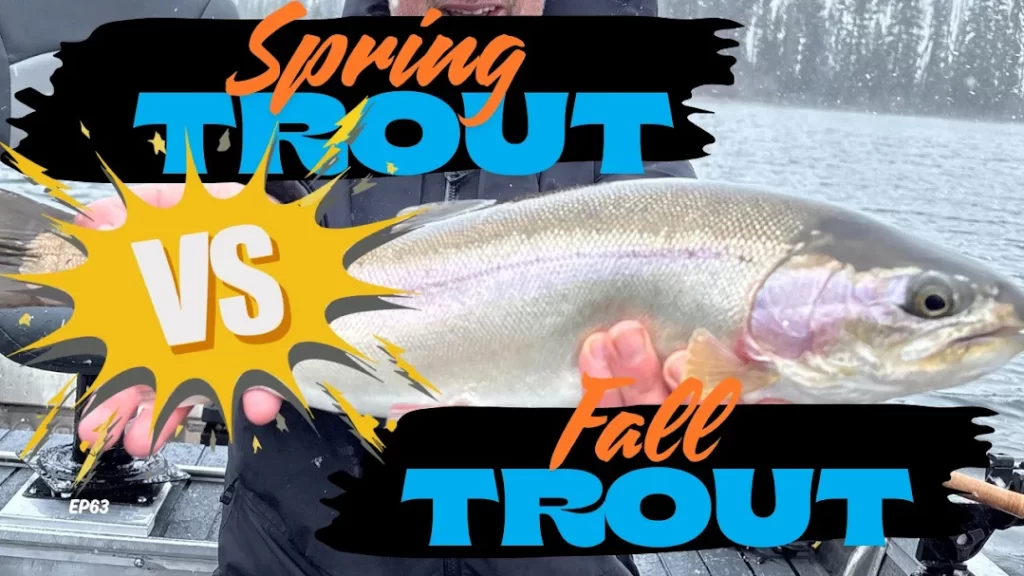
Most anglers fish spring and fall the same way but trout don’t behave the same across these two seasons. Their feeding habits, metabolism, and locations shift dramatically as water temperatures rise or fall. If you want consistent success, understanding these seasonal changes is critical.
In this guide, we’ll explore the five key differences in trout behaviour between spring and fall Stillwater fishing. From metabolism and food sources to depth, weather, and behaviour, these insights will help you adapt and fish smarter all season long.
1. Water Temperature and Metabolism
Water temperature drives everything in trout behaviour. While both spring and fall offer ideal temperatures (typically 50–60°F), they’re trending in opposite directions warming in spring and cooling in fall.
In spring, trout are sluggish as they recover from winter. Their metabolism ramps up slowly as the water warms, meaning smaller meals and slower retrieves work best. In fall, trout are the opposite they’ve been feeding all season and remain aggressive even as water cools. They’re hunting hard to bulk up for winter, so faster retrieves and larger patterns become more effective.
If you want a deeper dive into how rod choice can help control your presentations in these conditions, check out our post on Why a 10 Foot Fly Rod Can Instantly Improve Your Stillwater Game.
2. Food Availability and Diet Shifts
Trout diets evolve with the season.
- Spring: Focus on smaller prey like chironomids, early damselfly nymphs, and scuds. Leeches also become active again, but subtle presentations are key.
- Fall: Big meals dominate. Trout target minnows, dragonfly nymphs, and leeches anything that helps them pack on calories fast. This is prime time for streamer fishing, balanced leeches, and larger attractor flies.
Matching your fly size and movement to the available food can make or break your success in either season. For even more on identifying when trout are feeding on transitional prey, read Fishing the Overlooked Stage: Top 4 Emerger Patterns for Stillwater Trout.
3. Location and Depth
In spring, surface water warms gradually. Fish often hold deeper until the shallows stabilize and food emerges. Productive zones tend to be mid-depth shelves, drop-offs, and the deeper edges of weed beds.
By contrast, fall’s cooling trend pushes trout shallower. The surface cools first, drawing fish into the flats and structure-rich shallows. These areas are now full of oxygen and prey, making them prime feeding zones.
If you’re curious how lunar cycles and stable conditions influence these transitions, don’t miss Do Moon Phases Affect Trout? Fly Fishing the Lunar Cycle Explained.
4. Behaviour and Activity Levels
Spring trout are scattered and energy-conserving. Their feeding windows are short and often depend on short bursts of warming or stable weather. You’ll need to move more, change depths, and stay patient.
Fall trout, on the other hand, are schooling and aggressive. They roam predictably in packs, often smashing flies on the strip. When you find them, stay put they’ll often feed in cycles throughout the day.
5. Weather Patterns and Stability
Spring brings unpredictability: cold fronts, runoff, and turnover. These factors can disrupt fish behavior for days. Patience and flexibility are your allies in early-season Stillwaters.
Fall typically offers more stable weather and clearer water, especially post-turnover. With fewer temperature swings and less turbidity, trout feed more consistently making it one of the most productive windows of the entire year.
Final Thought:
Understanding these five seasonal differences will help you fish more effectively year-round. Spring and fall may share ideal water temperatures, but trout behaviour, location, and feeding strategy are completely different games.
If you found this guide helpful, explore more seasonal fly fishing strategies, free resources, and guided trip options at thestillwateredge.com.